
What Makes a Strong Walkabout Kit?
Three things usually decide whether a travel kit feels like a pleasure or a burden:
- Focal length coverage. Many photographers find that a zoom that starts around 24mm on full-frame (or its equivalent) and runs to somewhere between 70–120mm covers the vast majority of travel situations. Wide gives you context and interiors; short‑telephoto gives you portraits, details, and compressed perspectives.
- Speed and stabilization. A faster maximum aperture (like f/2.8 instead of f/4) helps in low light and gives more separation, but modern in‑lens or in‑body stabilization can compensate a lot for slower glass when subjects are static. The balance between speed and reach is one of the core walkabout decisions.
- Carry weight and ergonomics. A 1.3–1.4kg full-frame body‑plus‑standard‑zoom is still realistic for many people, but if you find yourself leaving it behind, a smaller setup under 1kg (or even under 500g) can mean you actually make more photographs.
Once you know your tolerance in those three areas, it becomes much easier to pick a body and lens combination that will work for your style of travel.
24–70mm f/2.8 vs 24–105mm f/4: The Classic Trade-Off
On full-frame, the standard zoom choice is often between a 24–70mm f/2.8 and a 24–105mm f/4 (or similar ranges).
- 24–70mm f/2.8 gives you:
- An extra stop of light over f/4.
- More subject/background separation at the same framing.
- Typically higher‑end build and optics.
This pays off in dim interiors, evening street scenes, and portraits, but you lose some reach at the long end.
- 24–105mm f/4 gives you:
- Extra focal length at the long end, which matters for details on buildings, tighter street work from a distance, or casual people shots.
- A constant f/4 that is entirely usable on modern high‑ISO bodies.
- Often a little more compact and versatile for “only lens in the bag” travel work.
For many travel shooters, the additional reach of 105mm turns out to be more useful day‑to‑day than the extra stop of speed, especially when the body has strong stabilization and good high‑ISO performance.
Full-Frame Walkabout: Versatile One-Lens Solutions
Full-frame body with 24–105mm f/4
As a practical full-frame reference point, there are bodies around 670g with card and battery, and 24–105mm f/4 constant‑aperture zooms around 700g. Together you are at roughly 1.37kg, which many photographers find comfortable enough to have on a strap all day while still enjoying full-frame rendering and low‑light performance.
A 24–105mm range is wide enough for markets and alleys but long enough for compressed landscapes and details on buildings, and the constant f/4 plus stabilization makes it viable for available‑light shooting in many indoor situations. For a lot of people, this kind of combo becomes the default “one lens to leave on the camera” for travel.
Full-frame body with 24–240mm f/4–6.3
If you know you will constantly want more reach—distant details, wildlife on hikes, or telephoto landscapes—a 24–240mm class lens is designed as a one‑lens travel solution. At about 750g on its own in some systems, it can push a typical full‑frame walkabout kit to around 1.4kg while still replacing multiple lenses in the bag.
You give up a faster constant aperture and some raw optical performance at the extremes, but you gain a 10× zoom that genuinely covers almost everything from wide environmental scenes to long‑lens compression without ever changing lenses. For many travelers, that convenience is worth more than the last few percent of image quality.
APS‑C Systems: Lighter Bodies, Serious Output
APS‑C mirrorless bodies offer a middle ground between compact cameras and heavyweight full-frame setups. They often come in under 600g for the body while maintaining excellent image quality and robust ergonomics.
APS‑C body with 16–80mm f/4
One popular combination is an APS‑C body around 557g with a 16–80mm f/4 zoom weighing about 440g, for a total around 1kg. On APS‑C, that 16–80mm behaves like a 24–122mm full‑frame equivalent, with a constant f/4 and strong optical stabilization.
In practice, this gives you:
- A framing envelope very similar to a 24–105mm on full‑frame, but with a bit more reach.
- Enough stabilization to handhold at surprisingly low shutter speeds for static scenes.
- A smaller, lighter overall package than many full‑frame equivalents, encouraging you to carry it more.
This is a strong option if you like traditional dials and a tactile interface but do not want to haul a full-frame kit through cities every day.
APS‑C body with 16–55mm f/2.8
If you prefer to bias the kit towards low‑light work and subject separation, a 16–55mm f/2.8 standard zoom is the typical “pro” choice, translating to roughly 24–84mm equivalent. Updated versions of these lenses often sit around 410g, paired with a similar‑weight body.
You lose some reach at the long end compared with the 16–80mm, but gain the flexibility of f/2.8 across the range, which is a real advantage in dim restaurants, blue‑hour cityscapes with moving subjects, or tighter subject isolation in busy environments.
Fixed-Lens Compact Cameras: Minimal Gear, Maximum Presence
There is a strong argument for simplifying completely: one body, one fixed lens, and the discipline to see in that angle of view. Many of the most popular travel and street cameras now are fixed‑lens APS‑C or compact models that prioritize being small, fast, and always with you.
Fixed-lens APS‑C rangefinder‑style compact
Modern fixed‑lens APS‑C compacts with a 35mm‑equivalent lens often weigh around 520g including battery and card. They combine a traditional body layout with a leaf shutter, sometimes built‑in ND, and increasingly in‑body stabilization, making them highly usable for low‑light and long exposures without a tripod.
Photographers who commit to the 35mm‑equivalent field of view often find that the lack of zoom forces them to move more and think harder about framing, which can be liberating on the street and while traveling.
Pocket APS‑C compact with 28mm or 40mm equivalent
Pocketable APS‑C compacts in the Ricoh‑style form factor typically weigh in the 250–270g range with battery and card. Variants usually differ mainly by lens: 28mm‑equivalent for a wider, more environmental look, or 40mm‑equivalent for tighter, more intimate scenes.
These focal lengths feel very different in practice:
- 28mm‑equivalent invites more environmental context and layered compositions.
- 40mm‑equivalent tends to suit casual portraits and tighter everyday scenes.lukeptaylor+2
For many working photographers, a small APS‑C compact lives in a coat pocket even when a larger system is back at the accommodation, dramatically increasing the number of images made in otherwise “off‑duty” moments.
Pocket zoom compact
If you want a pocketable camera but cannot live without a zoom, 1‑inch sensor compacts with 24–200mm‑equivalent lenses are a strong option. Typical weights around 300g including battery and card make them genuinely pocketable while still offering a huge focal range and competent autofocus.
The trade‑off is sensor size, which does not match APS‑C or full‑frame in high‑ISO noise or depth‑of‑field control, but the flexibility of going from wide to 200mm from a pocketable device is hard to beat for some travelers.
Medium Format as a Travel Walkabout Option
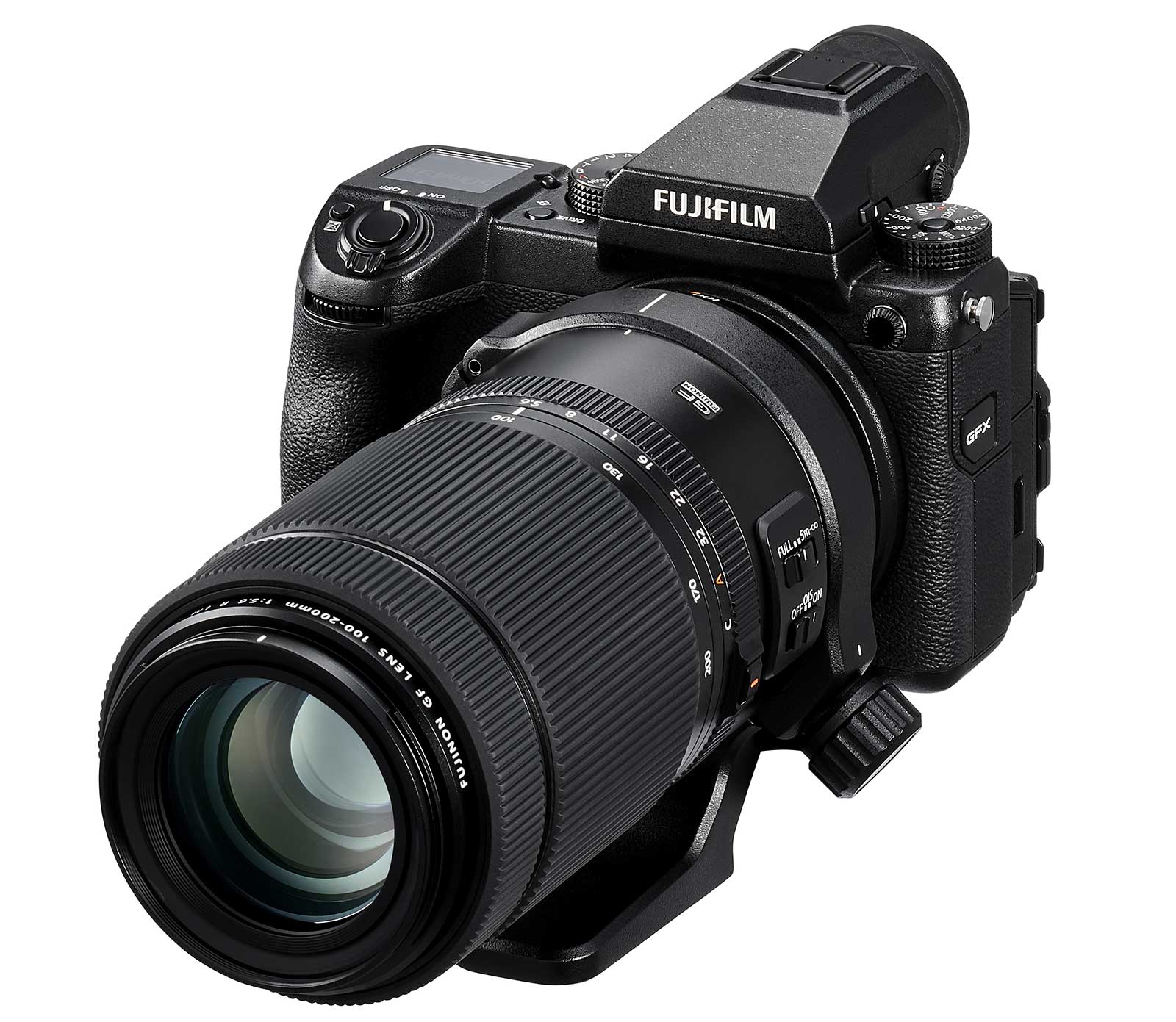
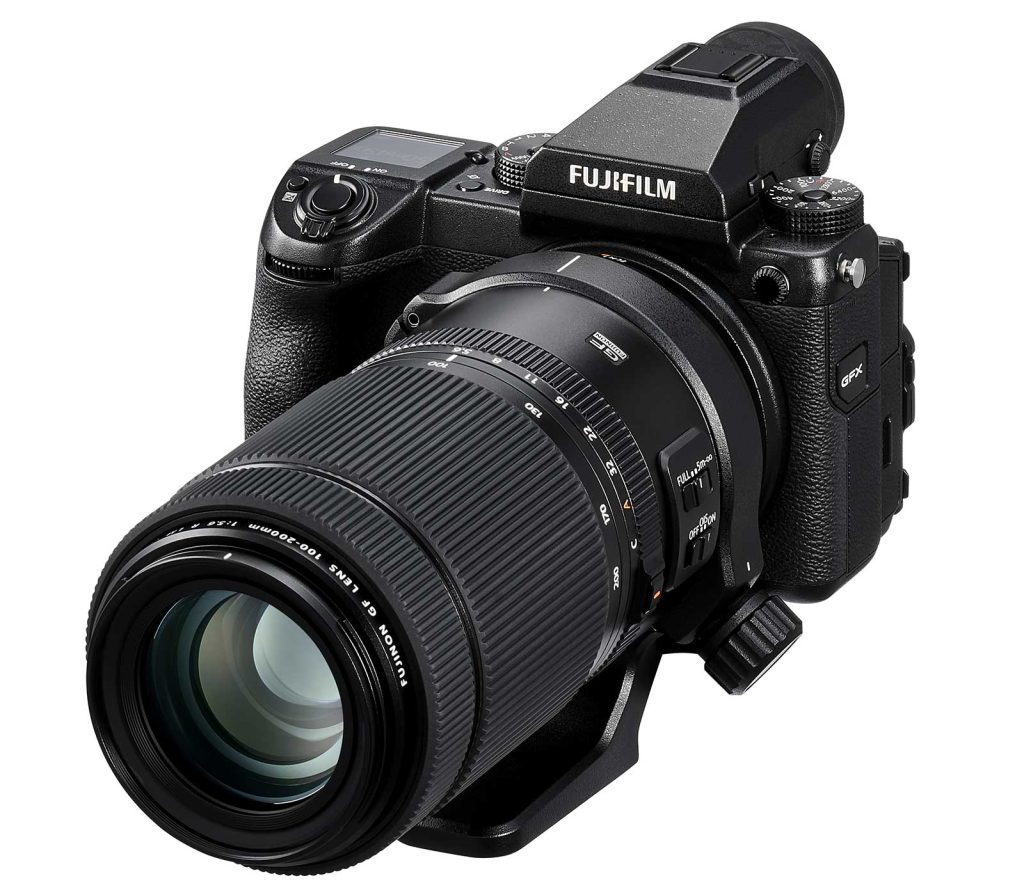
For photographers who prioritize ultimate image quality—even on the move—modern medium‑format mirrorless bodies have become compact enough to consider as travel companions, provided expectations are managed.
Compact medium‑format body with 35–70mm zoom
A current compact medium‑format body can be around 880g with battery, and a paired 35–70mm f/4.5–5.6 zoom in the same system around 390g. On that sensor size, the lens covers roughly 28–55mm in full‑frame terms.
This pairing gives:
- Large‑sensor tonality and resolution in a package still under about 1.3kg, comparable to a full‑frame body plus standard zoom.
- A range that is wide‑to‑normal rather than telephoto, suiting environmental portraits, architecture, and landscapes more than distant details.
It is best treated as a quality‑first kit: something to travel with specifically to make large prints or high‑end work, as long as you are comfortable framing most of your storytelling between roughly 28mm and 55mm equivalents.
Weather and Long‑Reach Travel Setups
If your travel leans heavily towards outdoor adventure, wildlife, or harsh conditions, smaller‑sensor systems with strong weather sealing and advanced autofocus are worth considering. Some Micro Four Thirds bodies, for example, come in around 600g including battery and card, but are designed to work reliably in tough environments.
Because of the format’s 2× crop, lenses that give you 300–800mm‑equivalent reach can remain surprisingly compact compared with full‑frame options, making a lightweight long‑reach travel kit more realistic. The downside is smaller sensor area and associated trade‑offs in high‑ISO performance and depth of field compared with APS‑C and full‑frame.
Practical Tips for Building Your Own Walkabout Kit
When you translate all of this into your own decision, it helps to work backwards from how you shoot:
- If you like to work with one zoom and not think about lenses, a full‑frame body with a 24–105mm class lens (or an APS‑C body with an equivalent like 16–80mm) remains very hard to beat.
- If low light and shallow depth of field are central to your work, favour a constant f/2.8 standard zoom on whatever system you choose and consider a small fast prime as a supplement.
- If you find you leave bigger cameras behind, a fixed‑lens APS‑C compact or a pocket APS‑C camera can dramatically increase how often you make pictures, even though they limit your focal length choices.
- If travel is an excuse to produce high‑end, print‑ready projects, a compact medium‑format body plus a small zoom around 28–55mm equivalent can give you a unique rendering while still being realistic to carry all day.
In the end, the “best” walkabout kit is the one that matches your visual style and your tolerance for weight and complexity, while being simple enough that you forget about the gear and respond to the world in front of you.