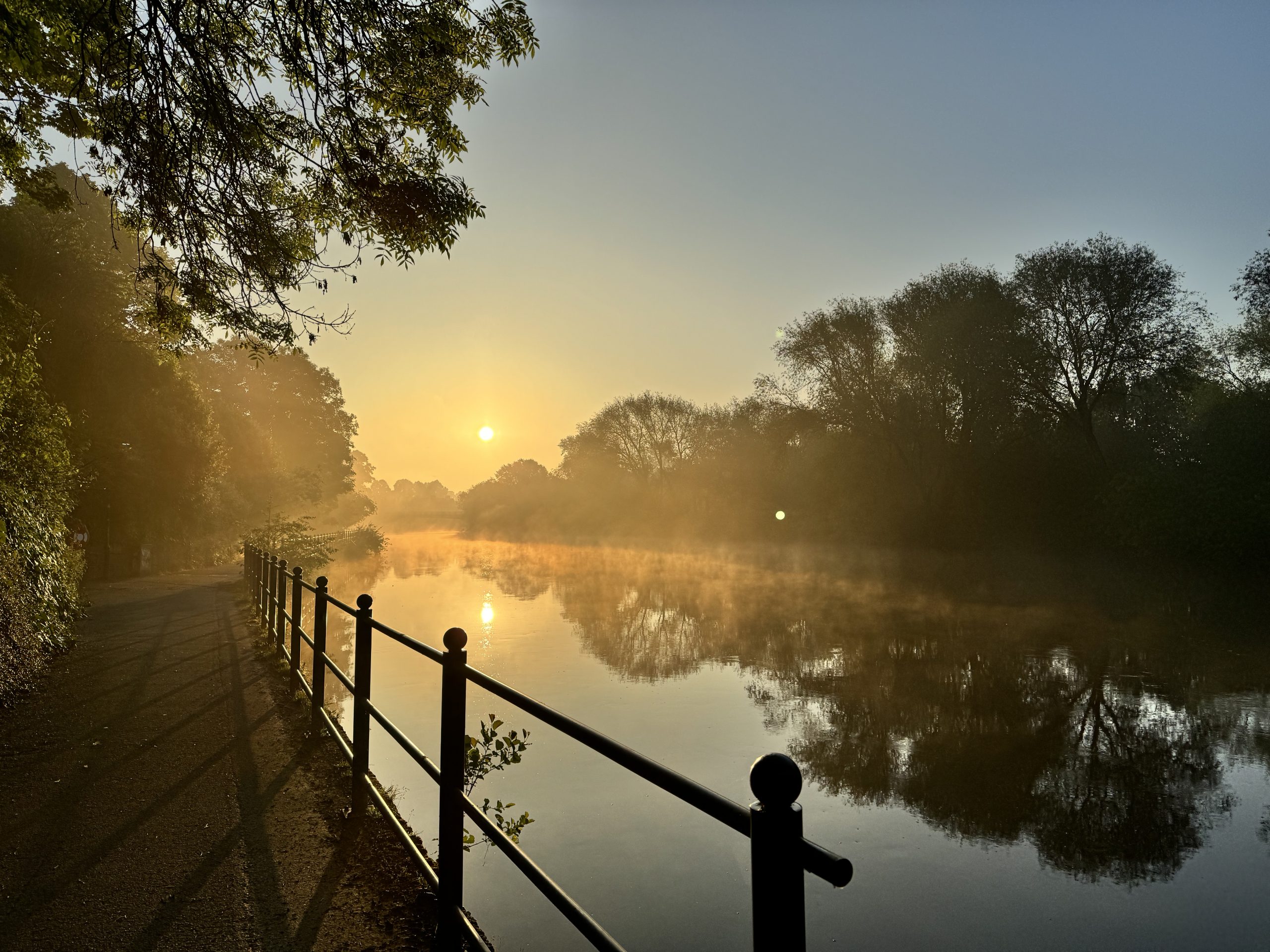

Overview
The golden hour is the brief window just after sunrise and just before sunset when natural light turns soft, warm, and directional, creating some of the most flattering conditions a photographer can work with. During this time, daylight is redder and less intense than when the sun is high, so scenes take on a gentle glow and long shadows that are difficult to replicate in post‑processing.
What Exactly Is the Golden Hour?
In photography, the golden hour (often called the "magic hour") is the period shortly after sunrise and before sunset when the sun is low on the horizon and its light appears warmer and softer than at midday. Many guides describe it loosely as the first hour after sunrise and the last hour before sunset, though in practice its exact length depends on your location, season, and weather.
This light occurs because the sun’s rays travel through more of Earth’s atmosphere at a low angle, which scatters and filters out more of the harsher blue wavelengths. The result is redder, diffused illumination that wraps around subjects instead of beating down from directly overhead, producing lower contrast and smoother transitions between highlights and shadows.
Why Golden Hour Light Looks So Good
When the sun is near the horizon, its shallow angle forces light to pass through a greater thickness of atmosphere before reaching the ground. This longer path scatters more light and removes a larger share of the high‑energy blue component, acting almost like a giant natural diffuser and warm‑tone filter.
Because of this, golden hour light has three key characteristics: it is soft, directional, and warm. Softness means shadows have gentler edges and less extreme contrast; directionality means obvious side‑lighting and long shadows that add dimensionality; warmth means colour temperatures skew toward yellows, oranges, and reds, which tend to flatter skin tones and make landscapes feel inviting.
When and How Long the Golden Hour Lasts
The golden hour happens twice each day: once just after sunrise and again just before sunset, as the sun rises through and then sinks back toward the horizon. In temperate locations it typically lasts somewhere between about 20 and 60 minutes, but at higher latitudes it can be much longer, especially near the height of summer.
There is no single fixed clock time for golden hour because it shifts with the date and your position on Earth. Instead, many technical definitions tie it to the sun being roughly within about 6 degrees either side of the horizon, though photographers more often rely on sunrie/sunset charts or apps that calculate local golden hour windows automatically
Hi, this is a comment.
To get started with moderating, editing, and deleting comments, please visit the Comments screen in the dashboard.
Commenter avatars come from Gravatar.